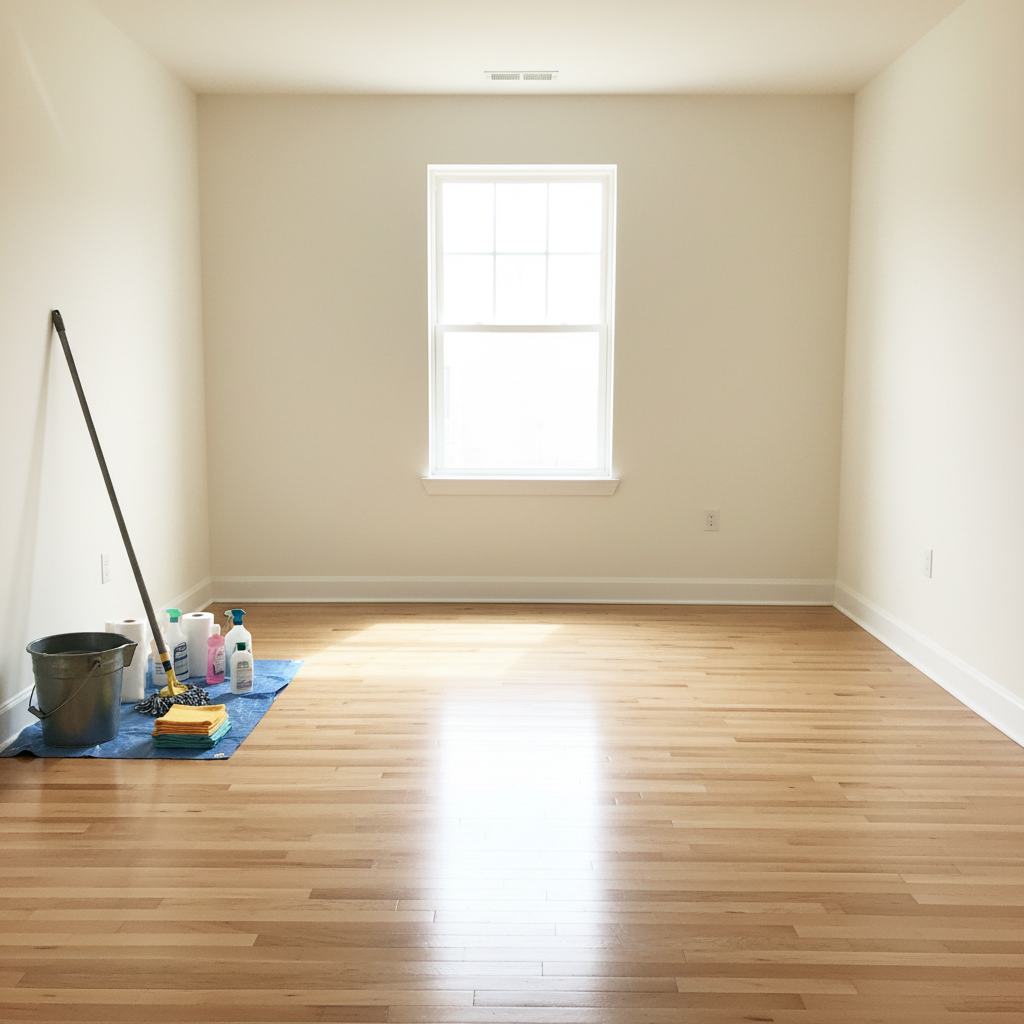
A thorough post construction cleaning involves three distinct phases: a rough clean, a light clean, and a final touch up to ensure the property is move-in ready. Professionals use a construction cleanup post construction cleaning checklist pdf to track the removal of dust and debris from all surfaces; this process requires specialized tools like HEPA vacuums and microfiber cloths. These steps ensure that every room is sanitized and safe for new occupants after a project concludes.
You have finally reached the end of your Redding renovation or new build, yet the space feels far from ready for occupancy. The air is thick with fine drywall dust; every corner is coated in a stubborn layer of debris that a standard vacuum simply cannot handle. This transition period is often the most frustrating phase of a project because traditional cleaning methods fail to address the unique residues left behind by contractors. At Shasta Turn and Clear, we know that a successful build is defined by its final presentation. To help you navigate this rigorous process, we are providing a phased approach to sanitation and safety. You will learn how to manage everything from heavy debris hauling to the final micro-dusting; additionally, our downloadable checklist PDF serves as your professional roadmap to a truly move-in ready property.
Why Post Construction Cleanup is Different from Standard Cleaning
A common misconception among Redding homeowners and contractors is that a newly built or renovated space just needs a quick sweep and a damp mop to be ready for occupancy. In reality, post-construction cleaning is a specialized trade that bears little resemblance to a standard residential deep clean. While a routine cleaning tackles organic dirt and surface dust, construction sites are laden with industrial contaminants like drywall dust, sawdust, and adhesive residues that require specific technical approaches to remove safely.
The primary challenge is the nature of the dust itself. Drywall dust contains fine silica particles that are small enough to remain airborne for 48 hours after work has ceased. These particles are abrasive and can settle into every crevice, including inside cabinetry, light fixtures, and HVAC ductwork. Standard household vacuums are not designed to handle this. The ultra-fine particulate matter will quickly bypass basic filters, clogging the motor and often blowing the dust right back into the room, which can permanently damage expensive residential equipment.
Professional property refreshes require industrial-grade vacuums equipped with HEPA filtration. This filtration is mandatory to capture microscopic silica and ensure the air quality is safe for future residents. Beyond the dust, post-construction sites often feature grout haze on new tile, stickers on windows, and protective films that leave behind stubborn adhesives. Removing these without scratching new finishes requires chemical knowledge and patience. For a property in Shasta County to pass a final walkthrough or look pristine for a real estate listing, the cleaning must address these industrial-grade challenges that go far beyond a typical household chore. Having a detailed construction cleanup post construction cleaning checklist pdf helps ensure no detail, from the top of the door frames to the inside of the floor vents, is overlooked.
Phase 1: The Rough Clean and Debris Hauling
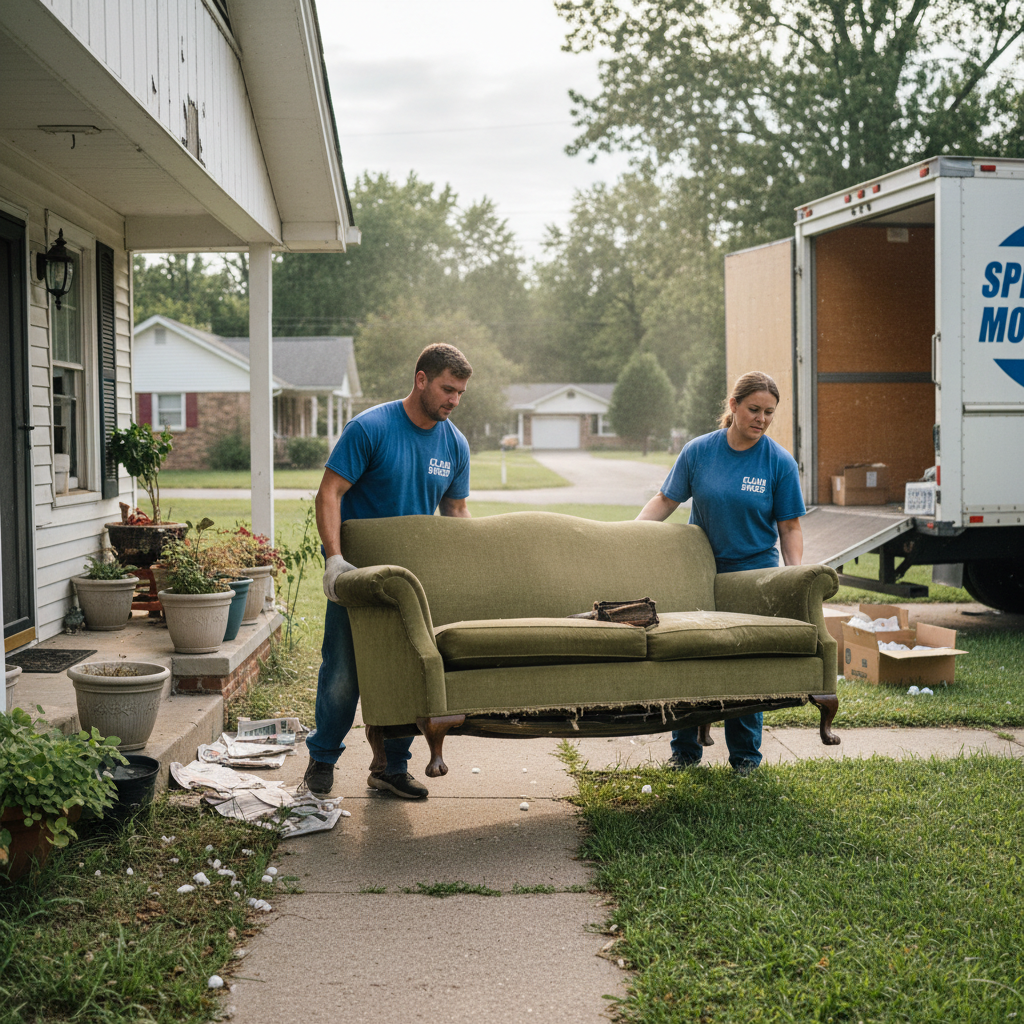
Once the subcontractors have packed their tools, the property is often littered with a chaotic mix of discarded materials and industrial waste. This initial stage, known as the Rough Clean, focuses on the heavy lifting required to reveal the actual surfaces of the home. It is physically demanding work that serves as the foundation for all subsequent detailed cleaning steps.
Unlike standard janitorial services that require a site to be pre-cleared, Shasta Turn and Clear integrates junk removal and hauling directly into the process. This eliminates the need for property managers to coordinate between a separate debris contractor and a cleaning crew. During this phase, the primary goal is to clear the footprint of the building so that fine post-construction cleaning can eventually begin without obstruction.
A comprehensive Rough Clean checklist includes: - Collection and removal of large debris, such as scrap lumber, drywall offcuts, and masonry fragments. - Disposal of leftover installation materials, including tile spacers, wire clippings, and empty adhesive tubes. - Removal of protective plastic films and manufacturer stickers from windows, sliding glass doors, and new appliances. - Mechanical sweeping of all subfloors or finished flooring to remove heavy grit, sawdust, and stray fasteners. - Clearing of property junk removal needs from porches, garages, and staging areas.
Identifying these tasks early in your construction cleanup post construction cleaning checklist pdf ensures that safety hazards are mitigated before the fine-detail teams arrive. In Redding's fast-moving real estate market, completing this heavy phase efficiently is the first step toward getting a property back on the rental or sales market.
Phase 2: The Deep Clean Checklist for Interior Surfaces
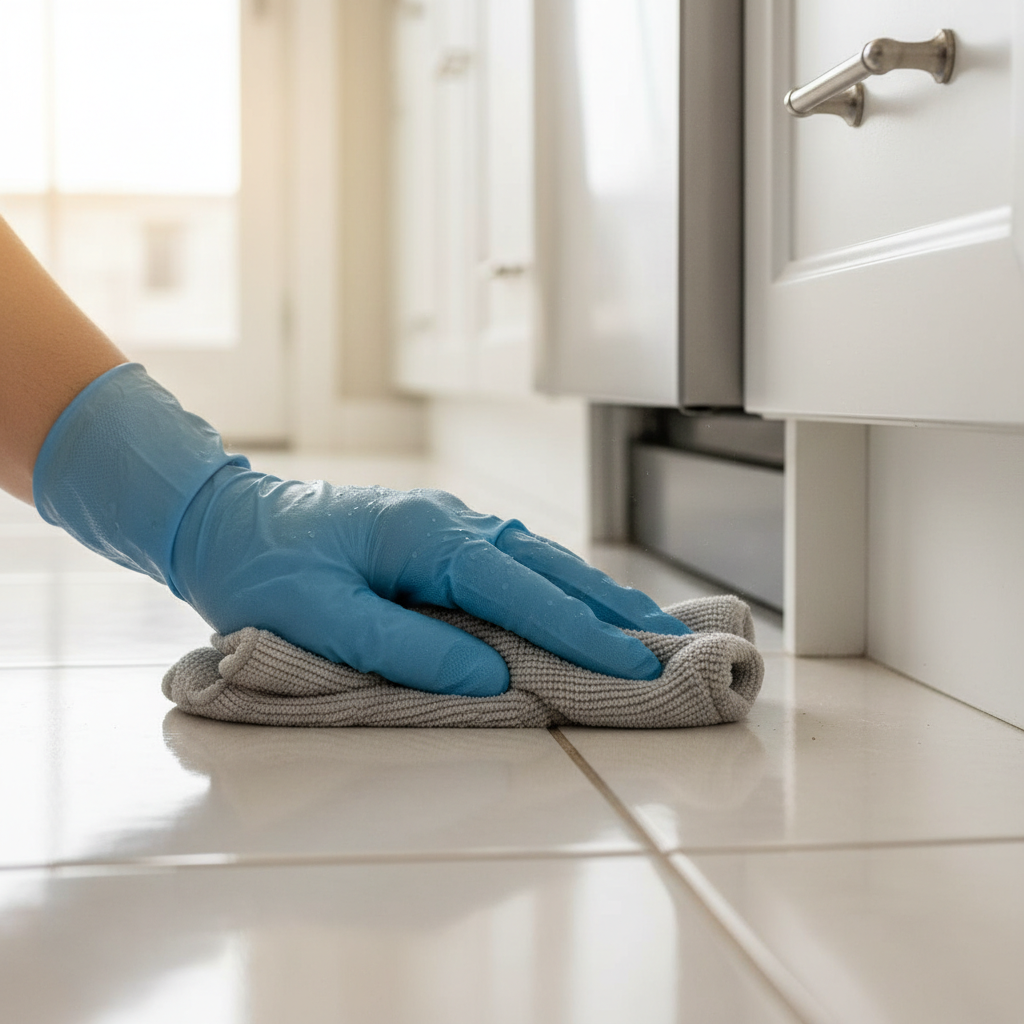
With the heavy debris removed, the process shifts toward the most labor intensive stage: the interior deep clean. This phase focuses on removing the fine film of dust that coats every square inch of a newly renovated space. Success during this stage relies on a strict top to bottom methodology. By starting with the highest points in a room and working toward the floor, you ensure that falling particles do not contaminate surfaces that have already been sanitized. This is the core of any professional post-construction cleaning protocol.
Attention to detail in this phase determines whether a property feels like a construction site or a home. In the kitchen, cleaning extends far beyond the countertops. New cabinetry, while beautiful, is often filled with sawdust from the installation process. Every drawer must be removed to vacuum the tracks and the space behind the drawer box. Upper cabinet tops, which are often overlooked, require thorough wiping to prevent dust from circulating every time the HVAC system engages. New appliances must be polished to remove fingerprints and the stubborn adhesive residue left behind by protective films.
Bathrooms require a technical approach to handle masonry residues. The most common issue is grout haze, a milky film left on tiles after installation. This cannot be removed with standard cleaners; it requires specific scrubbing techniques to ensure the tile retains its intended finish. Toilets, tubs, and sinks must be sanitized, and all chrome fixtures should be polished to a mirror shine to meet the expectations of Shasta County property managers.
Room Type | Deep Clean Priority Tasks |
|---|---|
Kitchens | Vacuum and wipe inside all drawers/cabinets; polish stainless steel; clean pantry shelving; degrease range hoods. |
Bathrooms | Remove grout haze from wall and floor tiles; sanitize all porcelain; clean vanity mirrors and medicine cabinets. |
Living Areas | Dust ceiling fans and light fixtures; wipe down baseboards and crown molding; clean window tracks. |
Utility Rooms | Wipe down water heaters and HVAC exteriors; clean laundry hookups; dust shelving and closet rods. |
For those documenting their process, these steps form the middle section of a comprehensive construction cleanup post construction cleaning checklist pdf. In living areas and bedrooms, the focus remains on vertical surfaces. This includes dusting every light globe, wiping down switch plates, and cleaning the tops of doors. Only once these high and mid level surfaces are cleared can the team focus on the final floor preparation.
Phase 3: The Final Polish for Move-In Readiness

The final phase, often called the Touch-Up clean, occurs several days after the intensive interior scrub. In the Redding area, fine particulate matter can linger in the air long after the HVAC system is first engaged. By waiting forty-eight to seventy-two hours, the team allows any remaining suspended particles to settle onto surfaces. This ensures that the property remains dust-free for the incoming tenant or buyer, rather than having dust reappear shortly after the crew leaves. This phase is less about heavy scrubbing and more about achieving the professional sparkle that distinguishes a high-end property refresh.
During this final pass, the focus shifts to high-visibility touchpoints and reflective surfaces. Every light switch plate, door handle, and cabinet knob is wiped to remove fingerprints and oils. Windows and mirrors receive a final polish to eliminate streaks or ghosting from previous cleaning agents. When utilizing a comprehensive construction cleanup post construction cleaning checklist pdf, the floor care at this stage is the most critical element. A final damp mop of hard surfaces removes any last traces of footprints, while carpets receive a slow, methodical vacuuming with industrial HEPA filtration. This meticulous attention to detail is what allows Shasta County property managers to hand over keys with total confidence, ensuring the post-construction cleaning meets the highest standards of move-in readiness.
Essential Supplies for Your Construction Cleanup Checklist
Achieving a move-in ready finish requires more than a bucket and a mop. If you are assembling a DIY toolkit, the most critical investment is an industrial-grade shop vacuum equipped with a true HEPA filter. Unlike standard household or basic utility vacuums, these units trap the microscopic silica dust prevalent in Shasta County renovations, preventing it from recirculating into the air.
Safety is the first priority. Professional crews always utilize N95 respirators to protect against silica inhalation, a necessary precaution for anyone executing a construction cleanup post construction cleaning checklist pdf. Beyond respiratory protection, specialized surface tools are non-negotiable for preserving new finishes.
Category | Essential Supply | Purpose |
|---|---|---|
Dust Control | HEPA-Filtered Shop Vac | Captures fine drywall and concrete particulates. |
Surface Care | pH-Neutral Cleaners | Safely cleans new quartz, marble, or hardwood. |
Detailing | Microfiber Cloths | Lifts dust through static charge rather than spreading it. |
Residue Removal | Plastic Putty Knives | Removes paint overspray and adhesives without scratching. |
Scrubbing | Non-Abrasive Pads | Tackles grout haze and scuffs on delicate fixtures. |
Professional post-construction cleaning teams arrive with these industrial supplies pre-loaded, saving property owners the high cost of purchasing specialized chemical kits and heavy equipment for a one-time project. High-quality microfiber cloths are used in bulk to avoid cross-contamination, ensuring that a cloth used on a dusty windowsill never touches a polished countertop.
DIY vs. Professional Post Construction Cleaning in Redding
Choosing between a DIY approach and hiring a specialized service usually comes down to a trade-off between labor and risk. While homeowners often look at a construction cleanup post construction cleaning checklist pdf and assume the individual tasks are manageable, the physical toll is significant. A thorough post-construction cleaning involves hours of repetitive scrubbing, ladder work, and heavy lifting that can take an inexperienced person days to finish; a professional crew typically completes the same scope in a fraction of the time.
The financial aspect is equally nuanced. A DIY attempt appears cheaper upfront, yet the total construction cleanup cost often escalates once you factor in the daily rental of industrial HEPA vacuums, the purchase of specialized masonry detergents, and the logistics of junk removal and hauling for leftover materials. Furthermore, inexperienced cleaners face a high risk of damaging brand-new finishes. Using an incorrect scraper on tempered glass can cause permanent scratches, while applying a high-pH cleaner to new hardwood or natural stone can lead to irreversible etching and surface degradation.
In the Redding and Shasta County market, local expertise provides an added layer of security. Professionals understand the specific environmental factors of the North State and possess the specialized tools to protect your investment. By delegating the final property junk removal and deep cleaning to experts, property managers ensure the home is not just clean, but safe and legally compliant for new occupants without the stress of potential property damage or equipment failure.